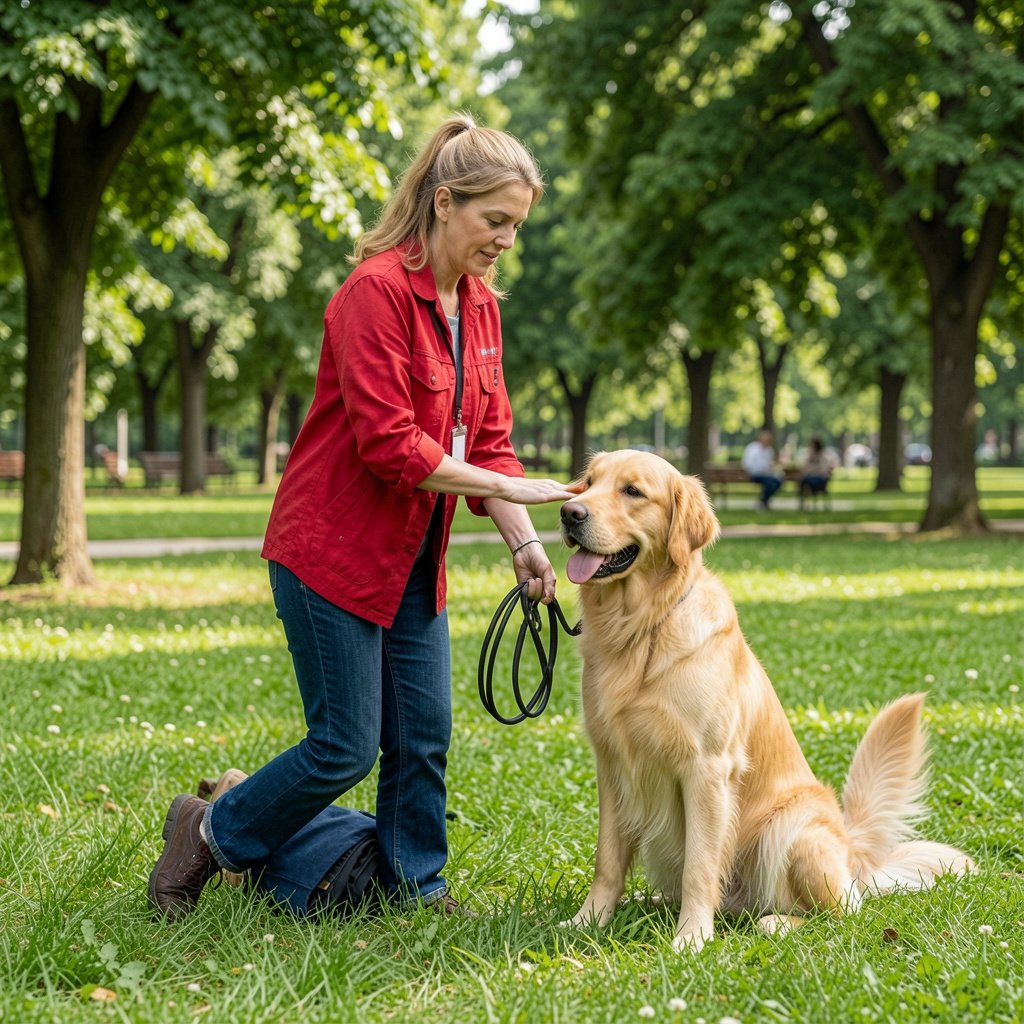
Bringing home a puppy is an exciting milestone, but it also comes with responsibilities that shape a dog’s future behavior. Rob’s Dog Training believes that obedience training for puppies Phoenix gives young dogs the opportunity to develop good habits early while helping owners establish clear communication and trust. Whether a puppy joins an active family, a busy household, or a single-owner home, early training creates a stronger foundation for everyday life.
Puppies learn continuously from every interaction they have. The behaviors that are encouraged today often become lifelong habits, making the first months especially important. Professional guidance combined with consistent practice helps puppies understand expectations in a positive and structured way. The result is a confident companion that responds reliably in different environments and enjoys learning alongside its family.
Why Early Puppy Training Matters
The earliest months of a puppy’s life represent one of the most important developmental stages. During this period, dogs absorb new experiences quickly, making it easier to introduce household rules, social interactions, and basic commands.
Without structured learning, puppies may develop behaviors that become more difficult to change later, including:
- Excessive jumping
- Persistent barking
- Leash pulling
- Chewing inappropriate objects
- Poor impulse control
- Difficulty focusing around distractions
Introducing consistent routines helps puppies understand acceptable behaviors before unwanted habits become deeply established.
The Purpose of Obedience Training
Obedience training is much more than teaching a puppy to sit or stay. Effective training develops communication between dogs and their owners.
A well-designed training program focuses on helping puppies:
- Respond consistently to commands
- Develop confidence around new environments
- Improve focus despite distractions
- Build self-control
- Learn household expectations
- Strengthen positive interactions with family members
When training becomes part of everyday life, puppies learn how to make better decisions even when excitement levels are high.
Core Skills Every Puppy Should Learn
Every puppy develops at its own pace, but several foundational behaviors provide lifelong benefits.
Name Recognition
A puppy that immediately responds to its name becomes easier to guide in everyday situations. Reliable attention forms the basis for all future commands.
Sit
Teaching “sit” encourages calm behavior before meals, greeting visitors, crossing streets, or entering doorways.
Down
The down command helps puppies settle more easily during family activities and public outings.
Stay
Stay develops patience while reducing impulsive behaviors that often lead to unsafe situations.
Come When Called
Reliable recall remains one of the most valuable commands a dog can learn. A puppy that willingly returns when called is safer in many everyday situations.
Loose Leash Walking
Walking politely without pulling creates enjoyable daily exercise while reducing stress for both the owner and the dog.
Socialization Is Part of Training
Obedience alone is not enough. Puppies also need positive experiences with the world around them.
Healthy socialization introduces puppies to:
- Different people
- Children
- Friendly dogs
- Various environments
- Household noises
- Moving vehicles
- New surfaces
- Veterinary visits
- Grooming routines
These experiences help reduce fear while encouraging confidence in unfamiliar situations.
It is important that socialization occurs gradually and positively rather than overwhelming the puppy with too many experiences at once.
Positive Reinforcement Builds Lasting Results
Modern puppy training emphasizes rewarding desired behaviors rather than punishing mistakes.
Positive reinforcement typically includes:
- Food rewards
- Praise
- Toys
- Play sessions
- Affection
- Life rewards like going outside
When puppies understand which behaviors produce rewarding outcomes, they repeat those behaviors more consistently.
This approach encourages enthusiasm for learning while strengthening the relationship between owner and dog.
Creating Consistency at Home
Professional lessons are only one part of successful puppy development.
Owners play the biggest role because puppies learn from daily routines.
Helpful habits include:
- Practice short sessions several times daily.
- Use the same commands consistently.
- Reward good choices immediately.
- Avoid confusing mixed signals.
- Keep training positive.
- Practice in different environments.
Even five-minute practice sessions can produce meaningful improvements when repeated regularly.
Preventing Common Puppy Problems
Many adult behavior challenges begin during puppyhood.
Early guidance helps prevent:
Jumping on Guests
Teaching calm greetings from the beginning reduces excitement-driven jumping later.
Excessive Barking
Understanding appropriate responses to sounds and visitors helps puppies remain calmer.
Destructive Chewing
Providing acceptable chew toys while redirecting unwanted chewing protects furniture and household belongings.
Pulling on Walks
Loose leash practice prevents strong pulling habits from developing as puppies grow.
Ignoring Commands
Reliable obedience begins by practicing in low-distraction environments before gradually increasing difficulty.
Why Timing Matters
Puppies experience rapid mental development during their first several months.
Training introduced early often progresses faster because young dogs naturally explore and absorb new experiences.
Waiting too long may allow unwanted habits to become routine, requiring additional time and patience to modify.
Starting early supports lifelong learning rather than correcting established problems later.
The Role of Mental Stimulation
Physical exercise alone does not fully meet a puppy’s needs.
Mental challenges contribute significantly to healthy development.
Activities that stimulate thinking include:
- Basic obedience practice
- Puzzle feeders
- Scent games
- Interactive toys
- Hide-and-seek
- Simple problem-solving exercises
Mental engagement helps reduce boredom, which can contribute to destructive behaviors inside the home.
Building Confidence Through Structured Learning
Confidence develops gradually through successful experiences.
Training introduces manageable challenges that encourage puppies to solve problems while remaining calm.
Confident puppies often:
- Recover quickly from surprises
- Approach new situations more comfortably
- Handle visitors more calmly
- Adapt to changing environments
- Focus better during learning
Each positive training experience builds on previous successes.
Understanding Individual Learning Styles
Every puppy learns differently.
Several factors influence learning speed, including:
- Breed tendencies
- Age
- Previous experiences
- Motivation
- Environment
- Consistency
Some puppies respond enthusiastically to food rewards, while others prefer toys or praise.
Professional trainers adjust techniques to match each puppy’s personality rather than relying on a single approach.
Common Mistakes New Puppy Owners Make
Even dedicated owners sometimes unintentionally slow training progress.
Some common mistakes include:
Expecting Too Much Too Soon
Young puppies have limited attention spans. Keeping sessions brief helps maintain focus.
Inconsistent Rules
Allowing behaviors one day but discouraging them the next creates confusion.
Repeating Commands
Constantly repeating cues teaches puppies they do not need to respond immediately.
Skipping Practice
Training requires repetition. Skills improve through frequent daily reinforcement.
Focusing Only on Commands
Obedience includes calm behavior, patience, confidence, and appropriate social interactions—not simply memorizing cues.
Making Training Part of Everyday Life
Formal lessons provide structure, but many learning opportunities happen naturally throughout the day.
Owners can practice obedience while:
- Preparing meals
- Going for walks
- Greeting visitors
- Playing games
- Waiting at doors
- Riding in the car
These everyday moments reinforce learning without requiring lengthy training sessions.
Training Through Different Growth Stages
Puppies continue changing throughout adolescence.
Behaviors that seemed reliable at four months may temporarily weaken as maturity develops.
Remaining patient during these stages helps reinforce previously learned behaviors.
Ongoing practice maintains consistency while helping dogs transition into well-mannered adults.
Why Professional Guidance Makes a Difference
Many owners successfully teach basic skills at home, but professional instruction provides additional advantages.
Experienced trainers help:
- Identify behavior patterns early
- Adjust techniques to match the puppy
- Prevent common mistakes
- Increase consistency
- Improve communication
- Build owner confidence
Professional support often accelerates progress while making training more enjoyable for both the puppy and the family.
Choosing the Right Puppy Training Program
Not every training program follows the same philosophy.
When evaluating a trainer, consider:
- Experience working specifically with puppies
- Positive reinforcement methods
- Clear communication with owners
- Structured lesson plans
- Opportunities for real-world practice
- Individualized guidance
The most effective programs teach both the puppy and the owner how to communicate successfully long after formal lessons end.
Long-Term Benefits of Puppy Obedience Training
The investment made during puppyhood often produces benefits throughout a dog’s lifetime.
Well-trained dogs frequently enjoy:
- Better family relationships
- More enjoyable walks
- Reduced household stress
- Improved public behavior
- Greater confidence
- Easier veterinary visits
- Safer off-leash reliability where appropriate
- Stronger communication with owners
Training also supports responsible pet ownership by helping dogs participate comfortably in everyday activities.
Conclusion
Starting obedience training for puppies Phoenix during the earliest stages of development helps establish behaviors that support a lifetime of success. Consistent instruction, positive reinforcement, structured socialization, and daily practice all contribute to raising a confident, well-mannered companion.
For owners seeking experienced guidance, Rob’s Dog Training provides puppy training programs focused on practical obedience, clear communication, and lasting results. Beginning training early gives puppies the opportunity to develop reliable habits while helping families build rewarding relationships based on trust, consistency, and mutual understanding.